
Why outdoor vinyl wears down faster in Bojanala weather
Outdoor vinyl is built for exposure, but it still needs care. In Rustenburg and the wider Bojanala area, the big killers are strong sun, dust from busy roads and wind that lifts dirt onto edges and seams. On mine routes and at school entrances, vinyl also gets handled often, which means more scuffing and more chance of the corners lifting.
Heat makes adhesive work harder. Dust finds its way into tiny open edges. On metal, painted panels and corrugated surfaces, daily temperature changes can cause slight movement, so a vinyl panel that was fitted neatly in the morning can be under more strain by late afternoon. That is why care starts with the right material and a proper installation, not only with cleaning after the fact.
Start with a clean surface and a proper fit
The best way to get more life out of printed vinyl is to make sure it was applied to the right surface from day one. The area must be free of dust, oil, old glue and loose paint. If the surface is rough or badly damaged, the vinyl may still go on, but the edges will be more vulnerable. That is where lifting usually begins.
Good fitting also means planning for the environment. A banner fixed outside a gate in Phokeng will face different wear to a shop sign in the Rustenburg CBD. For long term use, ask for the correct vinyl grade, edge sealing where needed, and finishing that suits the job such as lamination, eyelets or reinforced hems. A little extra attention at install time saves money later.
- Wipe the substrate before fitting
- Allow painted surfaces to cure properly
- Use the right tape, screws or frame for the site
- Check that corners and seams are fully sealed
How to clean printed vinyl without damaging the print
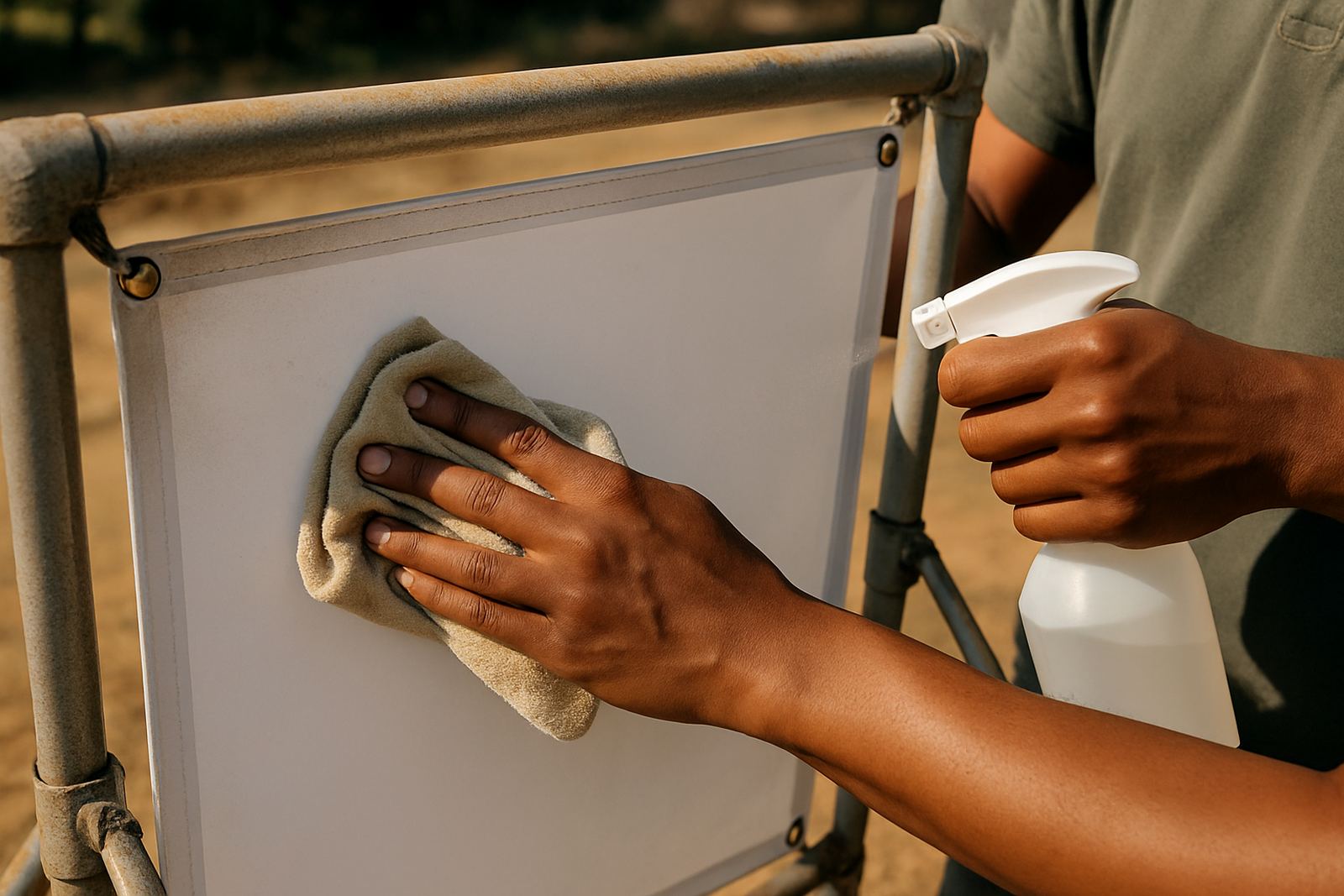
Cleaning should be simple. Use clean water with a mild soap, then a soft cloth or sponge. Start from the top and work down so dirty water does not run over already cleaned sections. Rinse well and let the surface air dry. On dusty sites near Kroondal, Boshoek or Marikana, this kind of light wash done regularly is better than a heavy scrub once in a while.
Avoid harsh chemicals, rough brushes and pressure washing up close. Strong solvents can fade the print or weaken the laminate. High pressure can lift edges, push water behind the vinyl and create bubbling. If a panel has bird droppings, tree sap or oily grime, soak the area first and lift it gently. Do not scrape at it with a blade or metal tool.
- Use mild soap only
- Never use thinners or strong degreasers
- Dry with a soft cloth if you need a quick finish
- Test any cleaner on a small corner first
Spot the early warning signs before the damage spreads
Most vinyl problems start small. A tiny lifted edge can turn into a strip peeling back after one windy week. Light cracking can become a full split once the sun keeps baking the same spot. Faded print may still be readable, but if the message has to work for safety, promotions or directions, even slight wear matters.
Check signs, stickers and wraps at least once a month. Pay extra attention after storms, after construction dust settles nearby, or after vehicles have done a lot of long distance travel. If you see bubbles, colour change, lifting, dull patches or a hard brittle feel, that section may need replacement or repair. The sooner you deal with it the smaller the job and the lower the cost.
- Lifting corners and seams
- Cracks along folded edges
- Fading on south and west facing panels
- Bubbles after rain or washing
- Scratches from branches, dust or loading activity
Use the right protection for long exposure
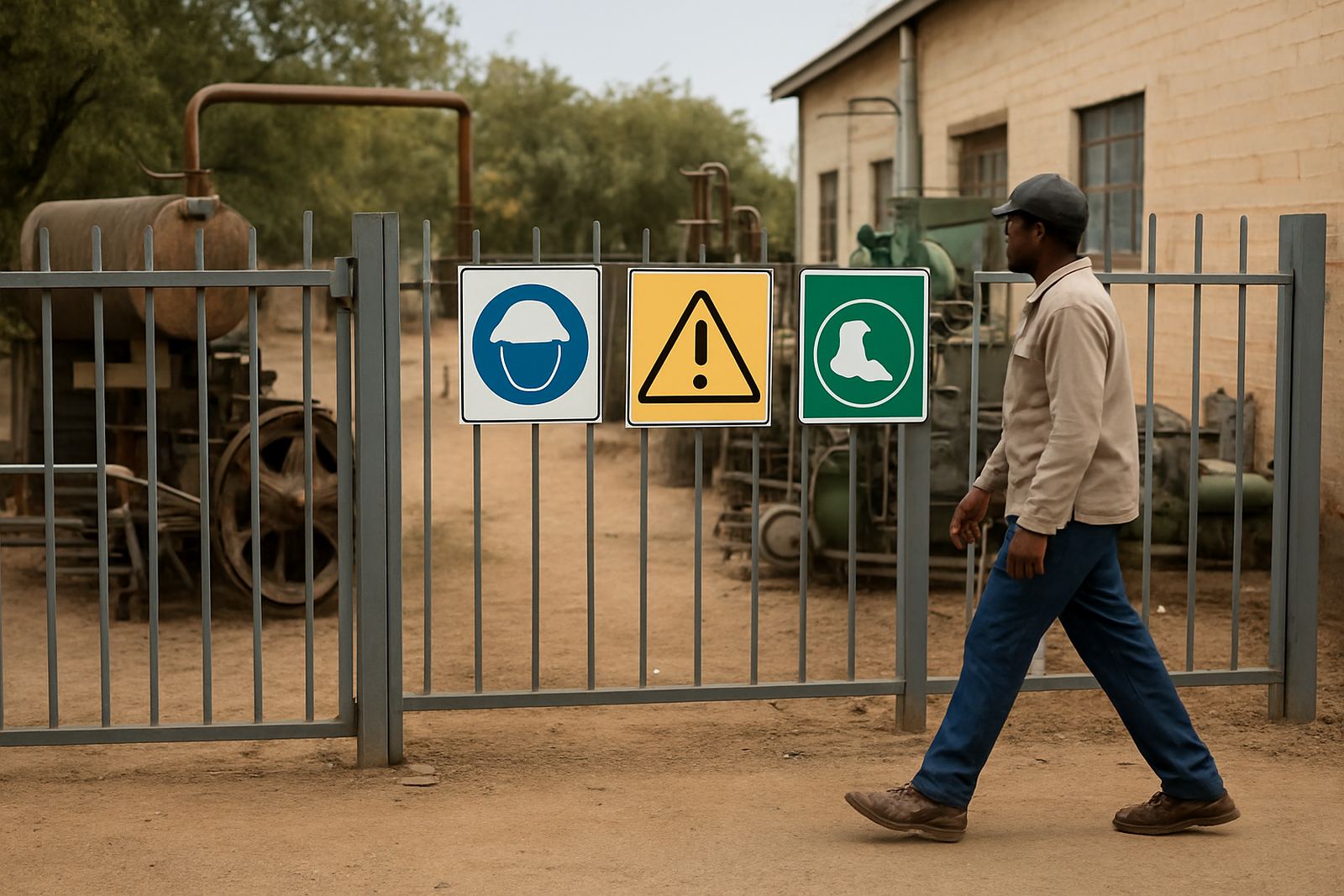
Not every outdoor application needs the same setup. A short term event banner may only need a few weeks of service, while a school notice board or mine access sign may need to last much longer. For longer exposure, ask for laminate protection where suitable, UV aware print choices and finishing that reduces edge wear. This is especially useful where the sign faces direct sun for most of the day.
If the vinyl is on a vehicle, avoid parking under harsh midday sun for long periods when possible. Shade helps. So does regular washing to remove dust and road film. For storefront graphics and safety notices, keep nearby trees trimmed back where they rub the material. Small contact points can scratch a print over time, especially in windy conditions.
- Choose the right vinyl grade for the exposure period
- Use laminate on graphics that will be handled or washed often
- Keep plant growth and loose cables away from the sign face
- Replace damaged tape, clips or fasteners before they fail
A Rustenburg example from the field
A panel fitted at a business site in Rustenburg CBD can look fresh in month one and then start showing dust lines by month three. If the same panel is near a busy entrance where trucks pull in and out, the lower edge may get hit by spray and dirt every day. We have seen that regular wiping and a quick inspection schedule makes a real difference, especially on sites with changing shifts and security checks.
For mines, schools and businesses across Bojanala, the practical routine is simple: clean gently, inspect often and report damage early. That keeps the branding readable and keeps safety signs doing their job. When a section is beyond saving, a clean replacement is usually better than trying to patch something that has already gone brittle.
When to call for repair, reprint or refit
Some vinyl can be saved with a proper clean and a small reseal. Other jobs need partial replacment or a full reprint. If the print has faded badly, the laminate is lifting, or the adhesive has failed in several areas, repairs may only buy a little time. In those cases it is better to replace the affected part before it becomes a bigger problem.
From Rustenburg to Tlhabane, Phokeng, Kroondal, Boshoek, Marikana, Mooinooi and Mogwase, we produce outdoor vinyl for banners, flags, gazebos, stickers, vehicle branding and signage. If you need a print checked, re-fitted or renewed, use the enquiry form on our contact page and give the team the site details, size and condition. That helps us recommend the right fix for the job.