
Start with the items that leave the office most often
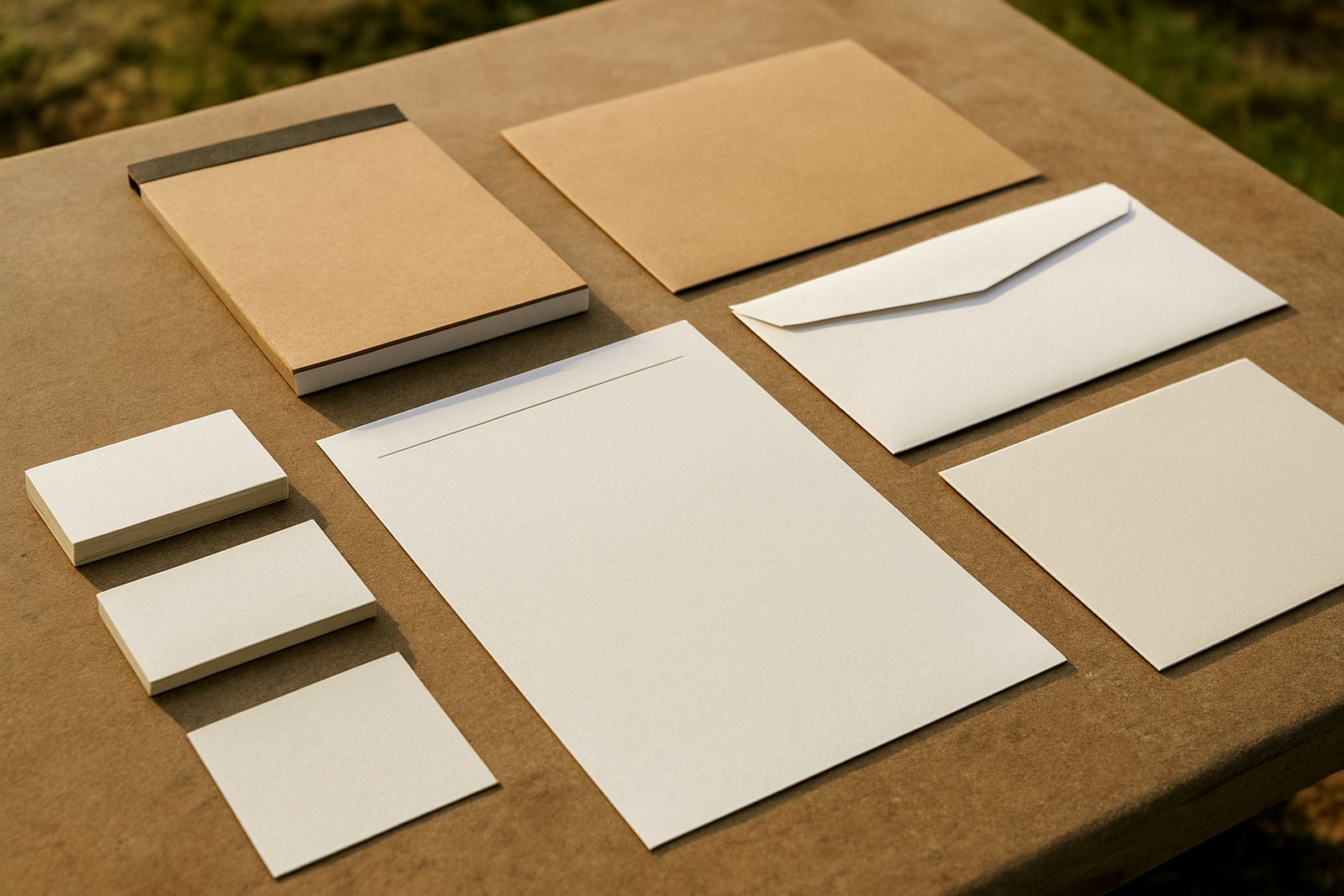
If you are only ordering a few printed items at first, begin with the pieces that customers see and handle most. For most mines, schools and small businesses across Bojanala, that means letterheads, envelopes, quotation pads, invoices and business cards. These are the basics that keep daily work moving and give every job a clean, proper finish.
Think about who uses the stationery and how often it leaves your hands. A sales team may need quotation books and branded folders first, while an admin office may need invoice sets, receipt books and stamped forms before anything else. Ordering the right basics first keeps your print spend under control and helps you avoid duplicates you wont use.
- Business cards for directors, sales staff and site reps
- Letterheads for letters, notices and formal correspondence
- Quotation and invoice pads for daily transactions
- Envelopes for posted documents and tender packs
- Compliment slips for deliveries and client handovers
Build around your day to day workflow
The best stationery set follows your actual workflow, not a long wish list. Start by mapping what happens after a customer phones, asks for pricing, places an order and receives the goods. Each step usually needs its own printed item. If your team sends quotes out in the morning, opens job cards in the afternoon and delivers goods late in the day, those forms should be ready before anything decorative.
For Rustenburg businesses dealing with site work, load-shedding and tight turnaround times, simple systems matter. Numbered pads, duplicate books and clear labels help staff work even when power cuts disrupt printers or computers. In busy offices, that kind of setup saves time and reduces mistakes. It also helps if more than one person is handling the same job, because everyone can follow the same paper trail.
- Job cards for production and handovers
- Delivery notes for stock movement and site drop-offs
- Purchase orders for supplier control
- Client files or folders for quotes, approvals and signatures
- Notepads for quick internal notes and site instructions
Choose a clean visual system before you print in volume
Before you place a large order, make sure your logo, colours and contact details are correct across every item. A mismatch between a quotation form and a business card can make a company look disorganised. This is why artwork setup matters. The same logo should sit in the same position, with the same colours and spacing, on all stationery items.
Keep the design simple enough to reproduce well on different paper sizes and print methods. Letterheads may need a full colour logo at the top, while invoice books and receipt pads work better with a lighter layout that leaves room for writing. If you use a lot of handwritten notes or stamps, leave enough clean space for that too. A neat layout helps staff read forms quickly, and it also looks better when clients file the papers.
- Use one approved logo version on all items
- Check spellings, numbers and titles carefully
- Confirm the address and contact details once only, then repeat them consistently
- Leave writing space on forms that will be filled in by hand
- Match paper size and fold style to how the document will be used
What to order first by business type
Different businesses need different starting packs. A contractor based near Marikana may need site paperwork and delivery notes before presentation folders. A school in Phokeng may need letterheads, stamps and report covers before sales material. A retail shop in Rustenburg CBD may need price labels, receipt books and promotional flyers before larger print runs. That is why the right first order depends on how your business operates.
If you are unsure where to begin, use this rule: order the stationery that keeps money moving, then the stationery that supports trust, then the stationery that supports presentation. That order works well for most small and medium businesses. It also makes budgeting easier because you can phase the work over two or three print runs instead of trying to do everything at once.
Starter order checklist:
- Quote pads or quotation books
- Invoice books or invoice pads
- Business cards for the main contact people
- Letterheads for formal communication
- Delivery notes or job cards
- Folders or presentation covers if you meet clients often
Paper, finish and quantity choices that save money
Not every item needs the same paper weight or finish. Heavier paper can feel more solid for business cards and presentation covers, while everyday forms are often better kept simple so they are easy to write on and economical to reprint. For high use items, it makes sense to order a larger quantity if the details are unlikely to change soon. That keeps the unit cost down and reduces repeat setup charges.
Think about storage too. In humid areas or buildings with little air circulation, paper should be kept dry and flat. In offices that get warm during power cuts, and this happens often enough, a neat stacked supply is easier to manage than loose bundles left in different rooms. Ask for practical quantities based on three to six months of use. If your team changes phone numbers, staff names or service lists often, it is better to keep the first run modest.
Useful questions before you confirm quantity:
- Will the details stay the same for at least three months
- How many jobs or clients do you handle in a typical week
- Will the forms be used on site, in office or both
- Do you need duplicate or triplicate sets
- Is the item likely to be filed, posted or handed out immediately
A simple ordering checklist before you send artwork
Once you have decided what to order, run through a final check before production starts. This keeps the process smooth and avoids reprints. Make sure names, job titles, telephone details, postal information and registration details are correct. Check the layout on a phone, a laptop and a printed proof if possible, because small errors are easier to catch before the job goes ahead.
For businesses with multiple branches or supply points across Rustenburg, Tlhabane, Phokeng, Kroondal, Boshoek, Marikana, Mooinooi and Mogwase, it helps to confirm whether each item needs the same contact detail or a local one. The same applies to mines and schools that need separate departments listed. Clear instructions at the start save time later on.
- Confirm all spelling and contact details
- Check whether the logo is correct and in the right format
- Decide if you need colour or black and white print
- Confirm sizes, folds, quantities and finish
- Ask who will receive the final approval before printing
When to add extras like folders, stickers and branded gifts
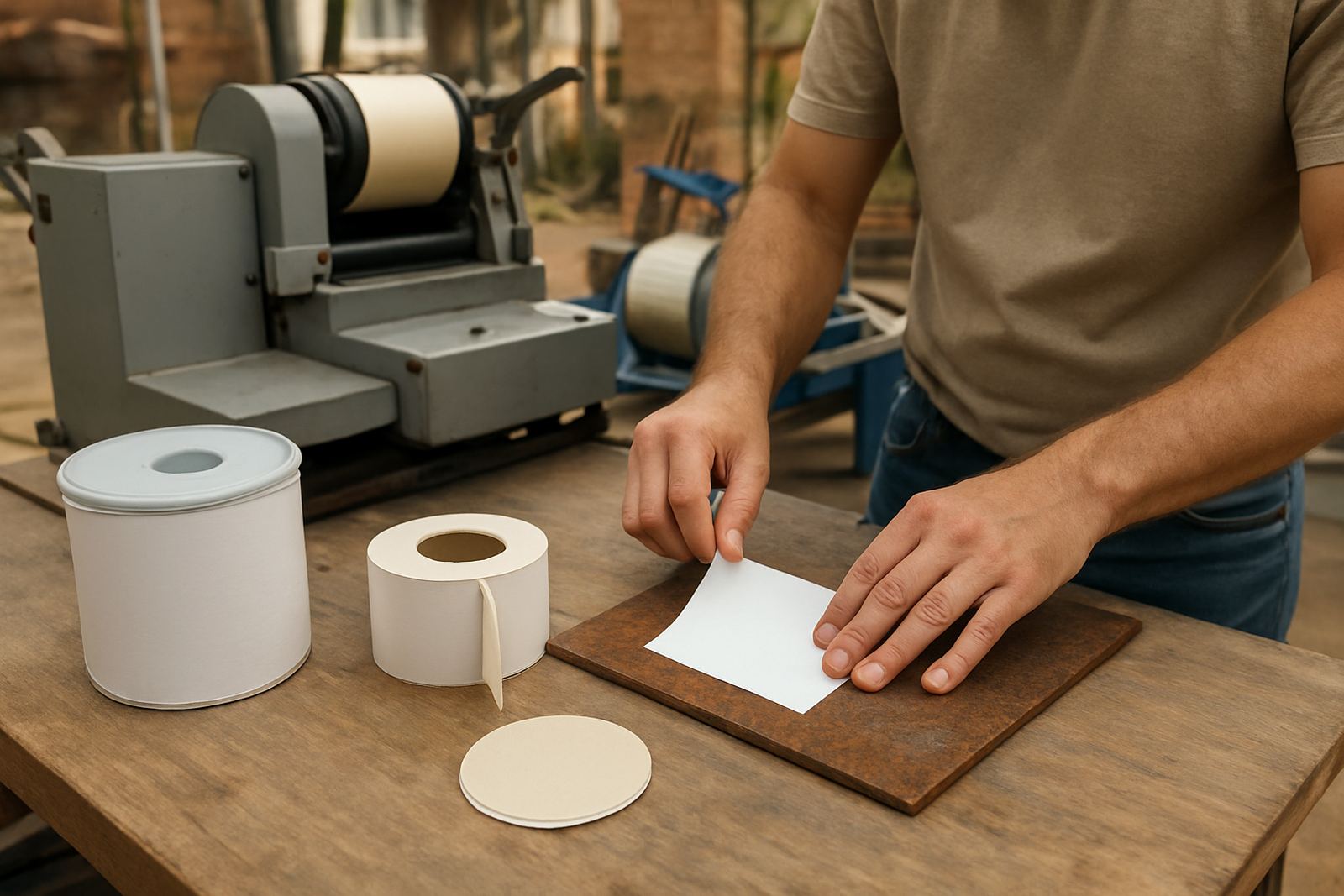
Once the core stationery is in place, you can add items that support marketing and client retention. Presentation folders work well for quotations, tender packs and onboarding documents. Stickers are useful for sealing boxes, marking stock and adding a clean brand mark to packaged goods. Branded gifts can help at launches, safety campaigns and staff events, but they should come after your daily stationery is sorted.
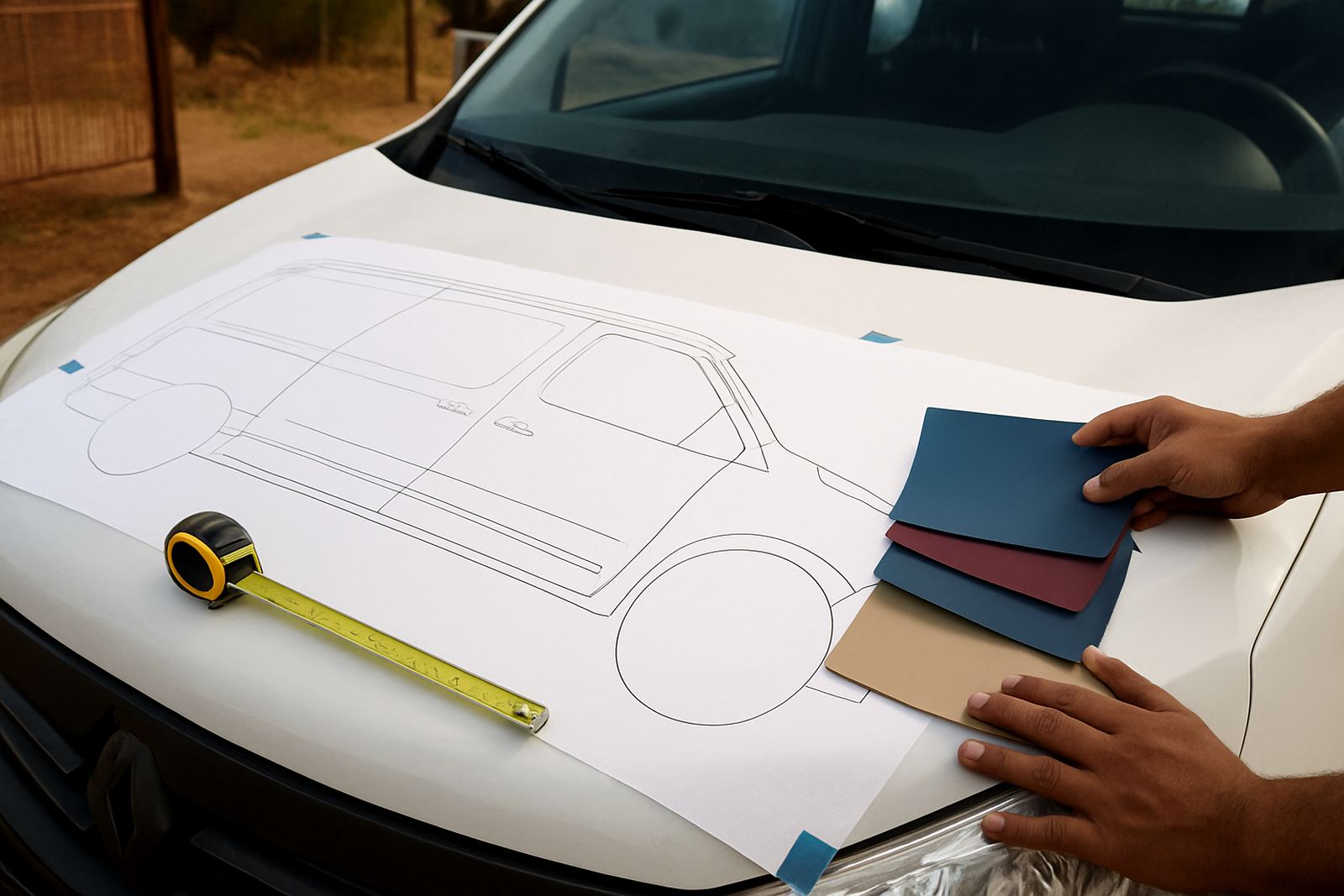
It is also worth thinking about what can support your field teams. If your staff spend time on site, delivery notes, labels and simple branded handouts may be more useful than a large range of decorative items. For companies that also need embroidery, signage or vehicle branding, keeping the printed stationery aligned with the rest of the brand helps everything feel consistent. Start with function, then add presentation once the basics are working well.