
What custom receipt books are used for
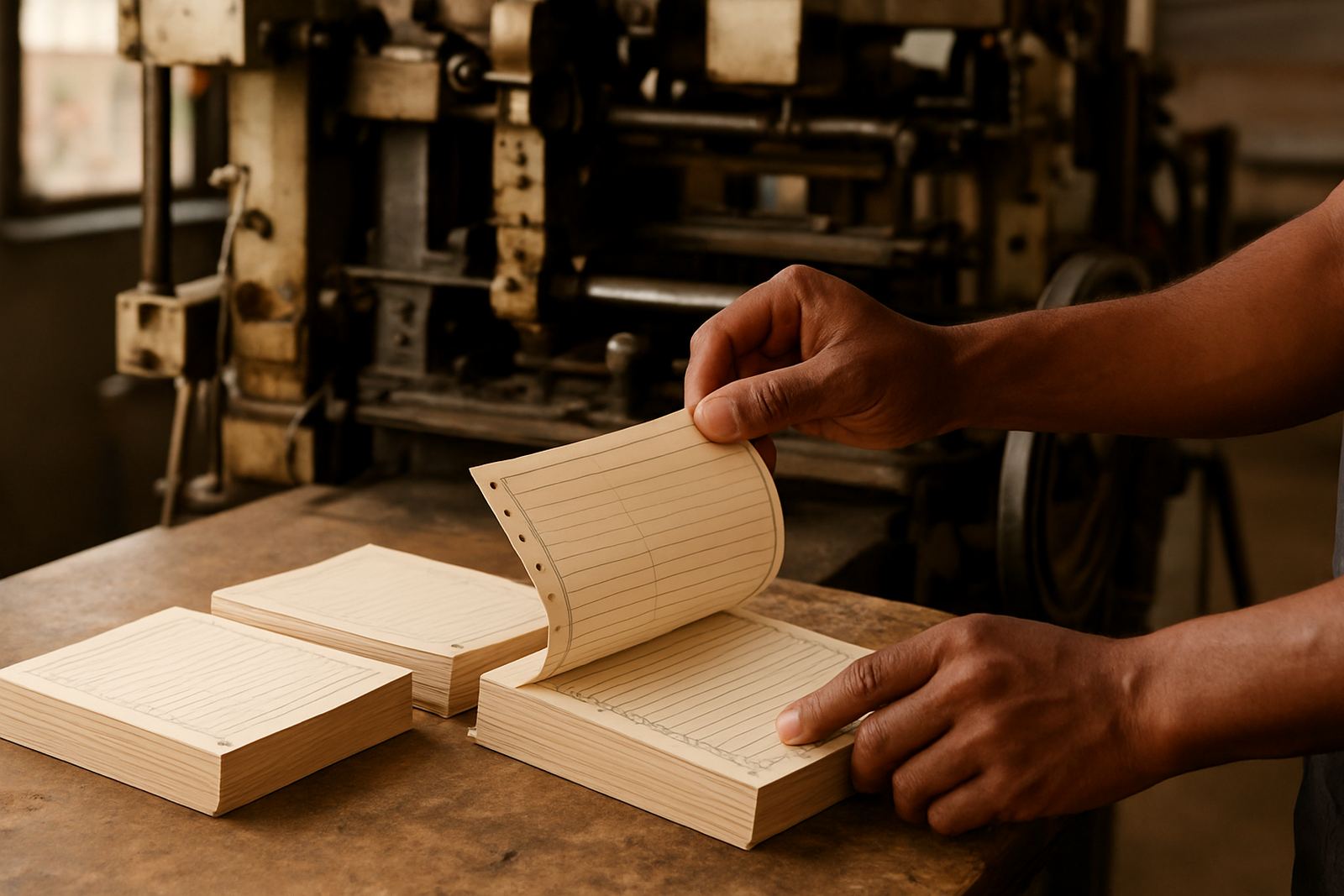
Receipt books are printed pads with duplicate or triplicate pages used to record payments, goods received, work completed, deposits or petty cash. In practice, they make it easier to keep a paper trail when a team is moving between sites, dealing with cash, or issuing handwritten proof where a till slip is not practical.
For schools, they are useful for fees, stationery sales and event collections. For shops, they help with cash sales, layby deposits and refunds. For service teams, they are handy for call out fees, repairs, transport charges and on site work. The numbering keeps each book in sequence, so missing pages are easy to spot.
Sizes, page sets and binding options
We print receipt books in practical sizes that fit a counter drawer, toolkit bag or vehicle cubby. The most common options are A6 for small hand use, A5 for clearer writing space, and custom sizes where a client wants a specific layout. Books can be pad bound or spiral bound depending on how they will be handled.
- Single page, duplicate or triplicate sets
- Serial numbering in black or red ink
- Perforated tear off sheets for easy handover
- Backing board for firmer writing support
- Cover printing with logo, contact details and terms
If the book will be used in the field, a thicker cover and stronger binding help it last longer in a vehicle or tool bag. For office use, a cleaner presentation with a branded cover works well at front counters and admin counters.
Where receipt books suit local businesses
We supply receipt books for Rustenburg CBD traders, Tlhabane shops, Phokeng schools, Kroondal contractors, Boshoek suppliers, Marikana service crews, Mooinooi wholesalers and Mogwase offices. They are a sensible choice where teams work across sites and need a simple record that can be filed later.
In mining support work and maintenance work, printed receipt books are useful when teams collect small payments, issue call out records or confirm stock handovers. They also suit schools and community groups that need neat bookkeeping without depending on power or a printer at every point of sale.
- Shops and tuckshops
- Schools and training centres
- Plumbers, electricians and repair teams
- Cleaning, delivery and security services
- Project teams and field agents
What to include in the layout before we print
A good receipt book layout should be simple enough to fill in quickly but clear enough to file later. We help with artwork setup and can format the page so it shows the right details in the right order. If you already use a specific wording or numbering style, send it through the enquiry form and we will set it up properly.
- Business name and trading name
- Physical address or service area
- Receipt number sequence
- Date, customer name and contact line
- Description of goods or services
- Amount in Rand and signature space
It is worth checking spelling, tax wording and bank details before the job goes to print. Once the books are numbered and finished, changes are not simple to make and reprints can cost more than checking once upfront.
Print quality, numbering and finishing details
Receipt books need clear numbering, crisp text and clean carbon transfer between pages. We use proper artwork setup so the small print stays legible, even on a compact page. If your team writes with pencils, ballpoints or marker pens, we can advise on the paper finish that gives the best result.
For busy sites, durable finishing matters. A stronger cover resists handling in dusty vehicles and stores, while clean trimming makes the pages easier to tear. In coastal humidity or on rough site conditions, paper stock and binding choice can affect how well the book holds up over time. We check the finish before dispatch so the pads arrive ready for use, not needing extra sorting at your end.
Care, storage and reordering tips
Receipt books do not need power or gas, which makes them useful during load shedding and in areas where teams work away from mains supply. Store them flat in a dry cupboard or filing box, away from water, oil and direct sun. If they are kept in vehicles, it helps to use a folder or clipboard so the corners do not curl.
For teams that use books quickly, it is wise to order the next run before you run out. Keep one record copy in the office and one in the field if possible. That makes it easier to track book numbers, reconcile payments and check who issued which receipt. A simple storage system saves time later and helps when auditors or managers ask for records.
How to order the right receipt books first time
When ordering, send us the size you need, how many pages per book, the number of copies per set and any wording that must appear on the cover or inside pages. If you want numbering from a specific start point, say so early. We can also help if you need a book for a particular department, branch or project site.
Before confirming, check the following points:
- Is it duplicate or triplicate?
- Do you want numbered pages or numbered books?
- Will the book be used outdoors, indoors or both?
- Do you need a branded cover or plain cover?
- Should there be space for VAT details or a stamp?
Receipt books are a small item, but they carry important records. Getting the layout, numbering and stock type right from the start makes them easier to use every day.